We use cookies to make your experience better. To comply with the new e-Privacy directive, we need to ask for your consent to set the cookies. Learn more.

April 22, 2026
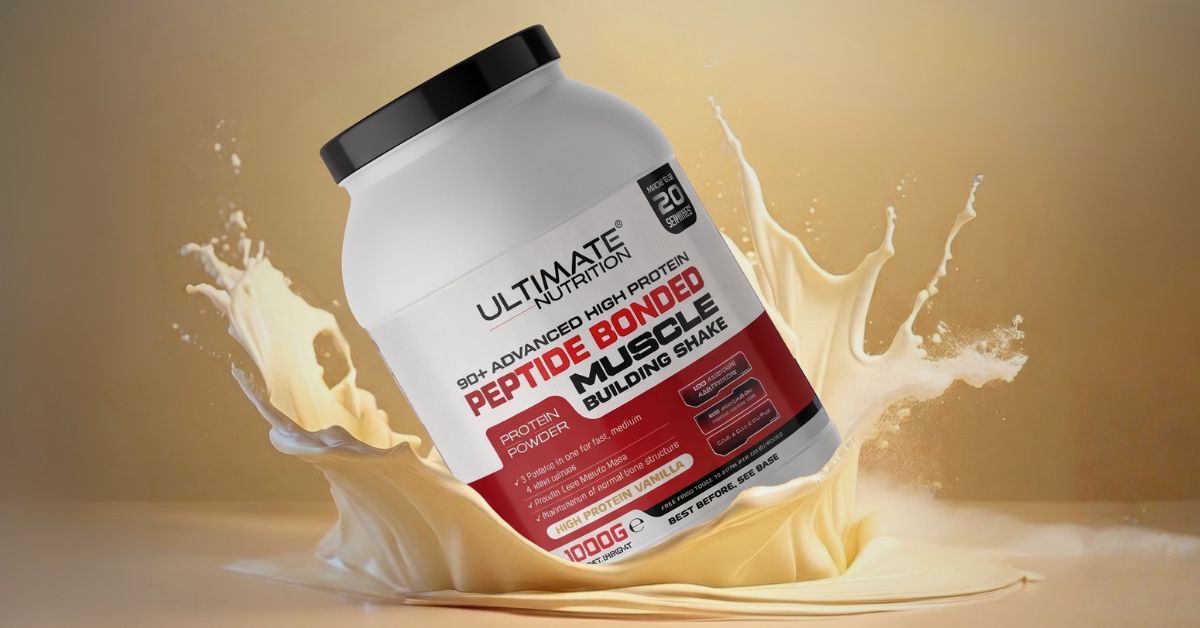
What Is Protein Powder Actually Made Of? A Straightforward Guide.
Protein powder is a concentrated form of protein derived from food sources. The powder itself is the result of processing a protein-rich material — milk, in the case of whey — to extract and purify the protein fraction, remove most of the fat and carbohydrate, and produce a stable, mixable powder.
If you want a deeper breakdown of how protein powders differ, see our full resource here: Complete Guide to Protein Powder.
Whey Protein — The Most Common Type
Whey comes from milk. During cheese production, milk is separated into solid curds (which become cheese) and liquid whey. That liquid is collected, filtered to remove most of the fat and sugar (lactose), and spray-dried into a fine powder.
The result is a highly bioavailable protein containing all nine essential amino acids — including a particularly high concentration of leucine, which plays a direct role in stimulating muscle protein synthesis. This is why whey protein has been the dominant choice in sports nutrition for decades.
The processing level determines whether you end up with concentrate (70–80% protein, retaining some fat and lactose) or isolate (90%+ protein, nearly fat and lactose-free). Both are whey. The difference is in purity and processing depth.
What Else Is in Protein Powder?
Beyond the protein itself, formulations typically include:
- Emulsifiers — lecithin is the most common, helping the powder mix smoothly in water or milk without clumping.
- Natural flavourings — vanilla, chocolate, and strawberry flavour profiles are achieved through natural or artificial flavouring compounds.
- Sweeteners — some products use sugar; others use sweeteners such as stevia or sucralose. Unflavoured options contain neither.
- Thickeners — occasionally used to improve texture.
In formulations, what goes in is deliberate and disclosed. There are no inferior substitutes, no undisclosed fillers. The label reflects reality.
The Case for Natural Protein Powder
Not all protein powders are created equal. Some contain artificial additives, colourings, and non-protein fillers that inflate the apparent protein content without delivering it. Amino acid spiking — adding cheap amino acids like glycine or taurine to boost the nitrogen reading that crude protein tests use — is a practice that exists in the less scrupulous end of the market.
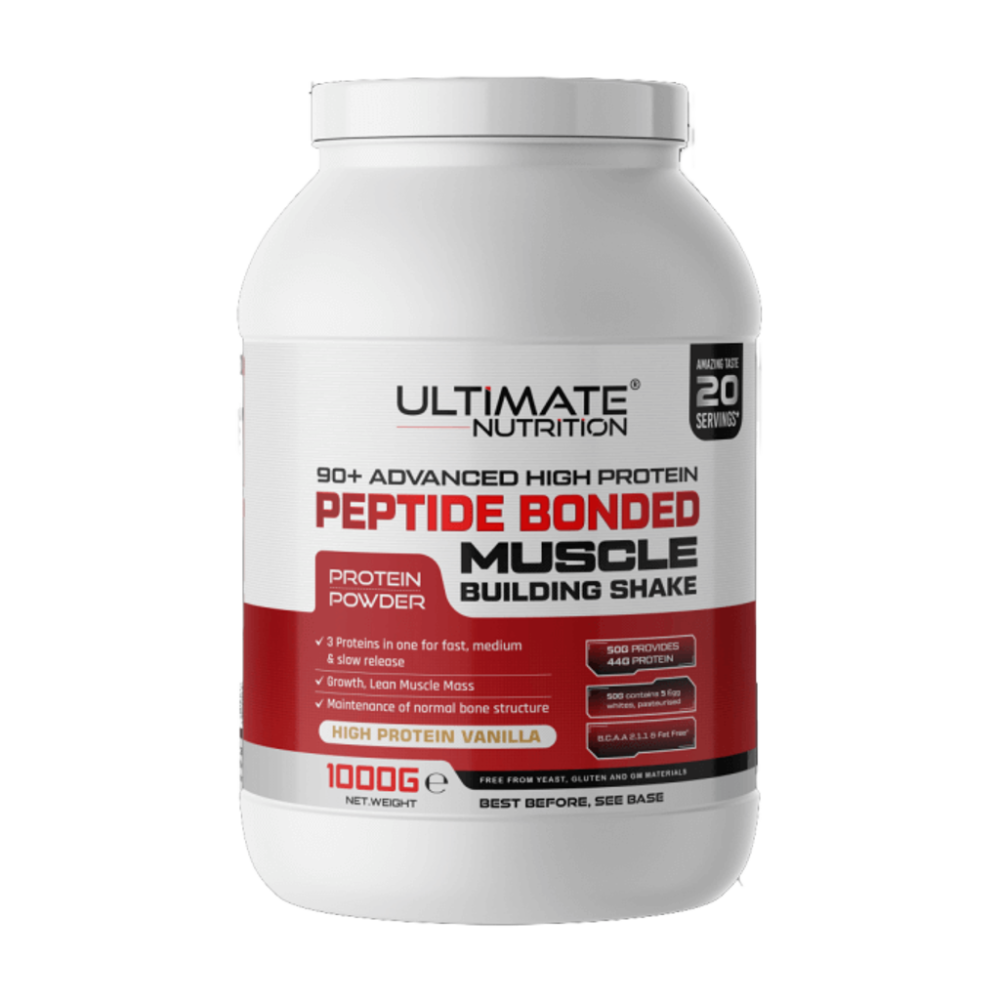
Ultimate Nutrition UK Natural Protein Powder uses only the highest-grade raw materials. No inferior substitutes. No shortcuts. Every formulation is made to the same standard applied to licensed medicines. This has been the founding principle since Arthur Fairhurst established the brand in 1978.
How Much Protein Can You Actually Absorb?
This is one of the most common questions we receive — and it deserves a straightforward answer. For more, see our dedicated guide: How Much Protein Can Your Body Absorb in One Meal?

Recent Posts