We use cookies to make your experience better. To comply with the new e-Privacy directive, we need to ask for your consent to set the cookies. Learn more.

April 08, 2026

The Complete Guide to L-Glutamine Supplement: Benefits, Uses & Dosage
Whether you're an athlete chasing faster recovery, an older adult looking to maintain muscle, or someone managing a gut condition, adding an l glutamine supplement to your daily routine could make a meaningful difference. This guide covers everything you need to know — from what glutamine is and how it works, to who benefits most and how to take it effectively.
What Is Glutamine?
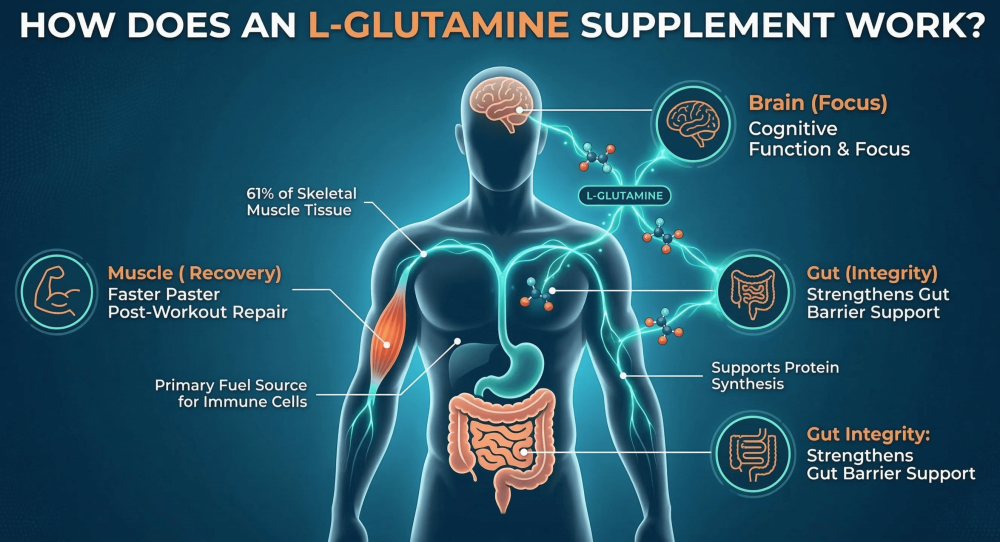
Glutamine is an amino acid — one of 20 that act as the building blocks of protein in the human body. It is the most abundant amino acid in your muscles, accounting for around 61% of skeletal muscle tissue. It is also encoded by the standard genetic code, meaning your body produces it naturally.
While glutamine is not classified as one of the eight essential amino acids, it can become conditionally essential during periods of intense athletic training, illness, or gastrointestinal disease. Under these conditions, your body's demand for glutamine can outpace its ability to produce enough, which is where an l-glutamine supplement becomes particularly valuable.
Experts widely regard glutamine as one of the most beneficial supplements available, and it remains a staple in both athletic performance and clinical nutrition.
How Does an L-Glutamine Supplement Work?
L-glutamine functions as a building block for protein synthesis and plays a critical role in three key areas:
- Metabolism — supporting energy production and cellular repair
- Immune function — serving as the primary fuel source for immune cells
- Gut health — maintaining the integrity of the intestinal lining
During intense training, glutamine levels in the muscles can become significantly depleted. Supplementing with an l-glutamine supplement helps replenish these stores, supporting recovery, immune defence, and overall wellbeing.
Who Can Benefit From Taking an L-Glutamine Supplement?
Glutamine peptides and l-glutamine powder supplements are popular across a wide range of people:
- Athletes and bodybuilders following demanding training programmes
- Endurance athletes such as long-distance runners, cyclists, and triathletes
- CrossFit enthusiasts and team sports players (rugby, football, tennis)
- Elderly individuals looking to maintain muscle mass and immune health
- Those managing digestive conditions such as IBS, leaky gut, or Crohn's disease
- Anyone recovering from surgery or illness
- People following high-volume workout programmes who train multiple times per day or week
From strength trainers who stack glutamine powder alongside whey protein and creatine, to older adults looking for gut and immune support, l-glutamine fits naturally into a wide variety of nutrition plans.
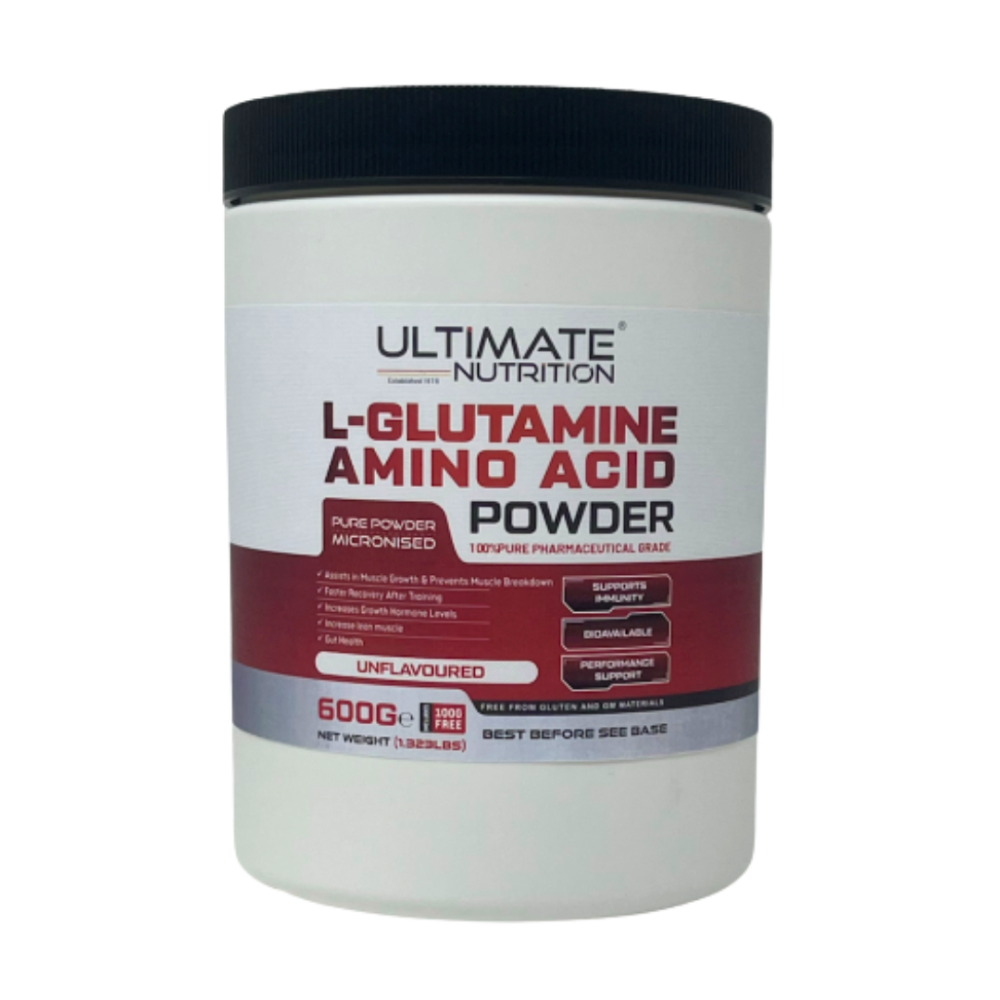
Ready to try it? Explore our 100% Pure L-Glutamine Amino Acid — pharmaceutical-grade l glutamine powder with no fillers or additives.
L-Glutamine Benefits for Athletes
1. Accelerates Muscle Recovery
L-glutamine is abundant in skeletal muscle and contributes directly to protein synthesis. Supplementing helps preserve lean muscle mass, reduce post-workout fatigue, and support recovery after intense exercise. This makes l-glutamine benefits particularly significant for anyone training at high intensity or high frequency.

2. Prevents Muscle Catabolism
During calorie deficits or heavy training blocks, the body may break down muscle tissue for energy — a process known as catabolism. Glutamine helps inhibit this by promoting an anabolic environment, helping athletes maintain strength and performance even under physiological stress.
3. Immune System Support
Prolonged or intense physical activity can temporarily suppress immune function. As a critical fuel source for immune cells, glutamine helps maintain immune cell activity, reducing susceptibility to illness and supporting recovery from infection or surgery. This is one of the most evidence-backed l-glutamine benefits for both athletes and the general population.
4. Improved Hydration
L-glutamine can assist with fluid retention in the body — an important factor for athletes who need to maintain optimal hydration levels throughout training and competition.
5. Gut and Digestive Health
Glutamine is essential for maintaining the integrity of the intestinal lining. By strengthening the gut barrier and supporting nutrient absorption, it is particularly beneficial for athletes with high nutritional demands, as well as those dealing with digestive conditions such as IBS or leaky gut.
6. Brain and Stress Support
L-glutamine supports neurotransmitter production, helps regulate brain chemistry, and contributes to cellular repair. Research suggests that glutamine supplementation may improve cognitive function, reduce symptoms of fatigue, and support mental wellbeing — valuable benefits for athletes managing both physical and psychological training stress.
L-Glutamine Benefits for Older Adults
Muscle Mass Maintenance
Sarcopenia — the natural loss of muscle mass with age — is a significant health concern. L-glutamine plays a crucial role in supporting muscle protein synthesis, helping counteract this decline and preserving the strength and mobility needed for an active life.
Immune System Support
Ageing naturally weakens the immune system. Because glutamine is a primary fuel source for immune cells, supplementation can enhance immune response and help protect older adults against infection and illness.
Gut Health
Maintaining gastrointestinal integrity becomes increasingly important with age. Glutamine helps preserve and support the gut lining, particularly beneficial for those experiencing digestive issues.
Recovery
L-glutamine supports tissue repair and recovery following surgery or illness — making it a valuable addition to the nutritional plans of older adults managing health challenges
-

-
 ULTIMATE MUSCLE MASS PROTEIN 4000As low as £25.56 Regular Price £31.95
 -

-


How to Use L-Glutamine Powder: Directions & Dosage
Our L-Glutamine Amino Acid comes as an unflavoured powder that mixes easily into shakes, smoothies, and drinks. Here's how to use it effectively:
- Mix 5–10g (5,000mg–10,000mg) into cold or warm (not hot) water, a protein shake, or a smoothie daily
- Avoid adding to hot drinks as heat can degrade the amino acid
- For bodybuilding or heavy training, 5–15g per day spread across multiple doses is common
- There is no need to cycle l-glutamine — consistency is more important than timing
When to Take It
Timing is flexible. Common approaches include:
- Post-workout: Many athletes take glutamine immediately after training — ideally within the 'Golden Hour' (first 60 minutes post-session). Rehydrate with water first, then take your l glutamine supplement, followed by your protein or mass gain drink
- Split dosing: Half after training, half before bed
- Rest days: Take at any time that fits your routine — morning, with meals, or before bed
- For best results: 2–3 servings spread throughout the day (breakfast, post-workout, bedtime)
Can You Take an L-Glutamine Supplement With Other Supplements?
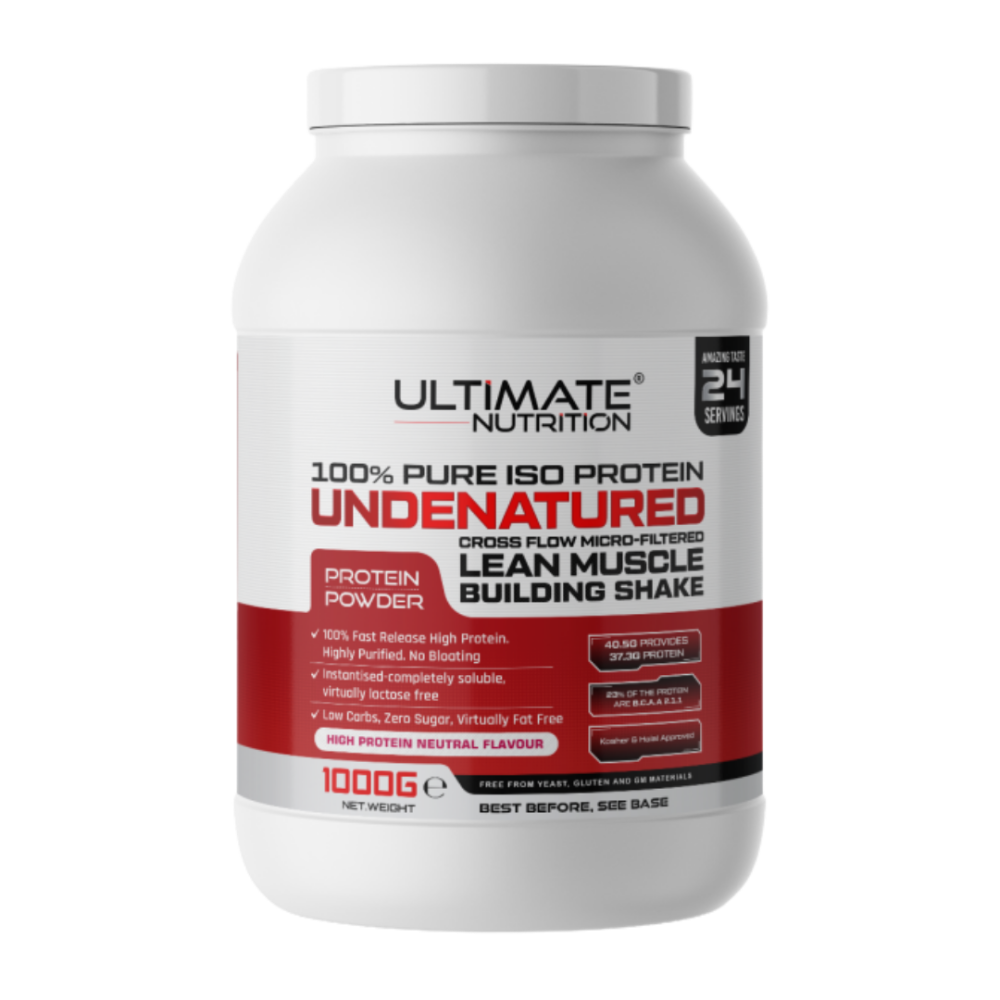
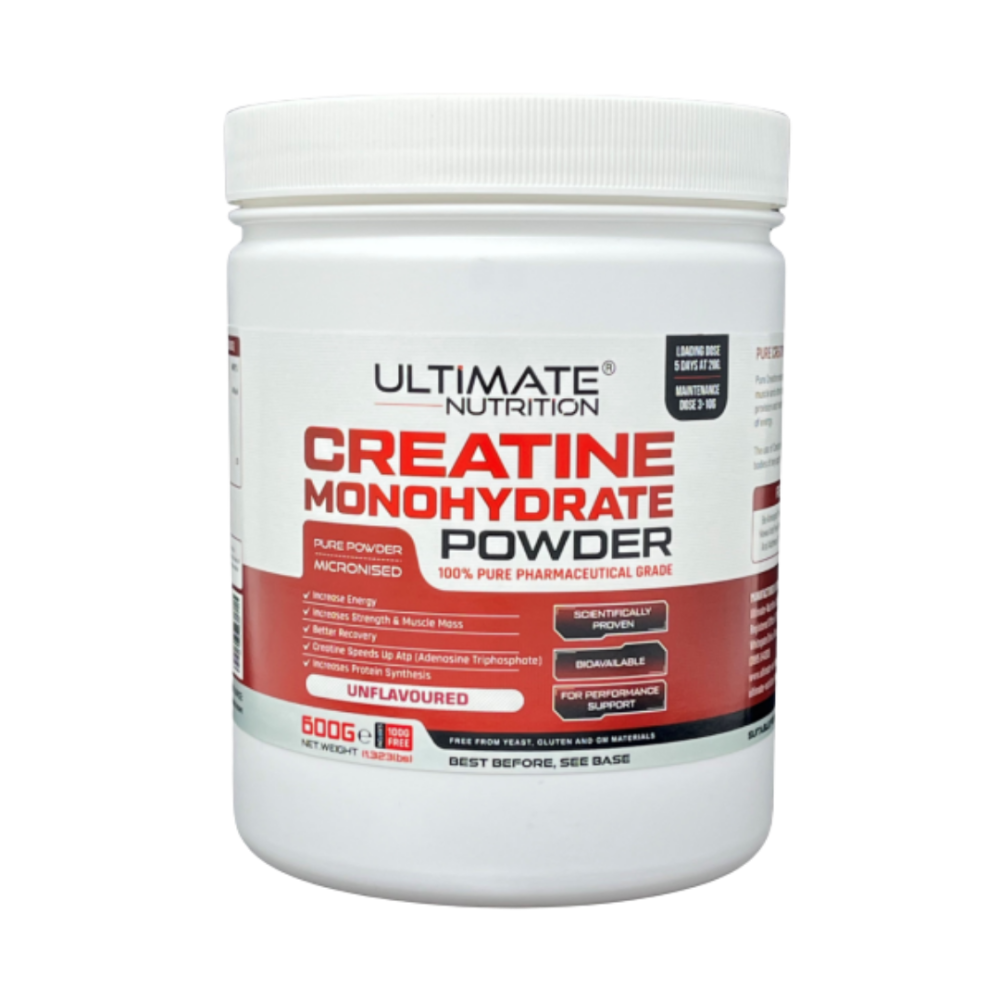
Yes — glutamine stacks well with virtually any supplement regime. It is commonly combined with:
The unflavoured glutamine powder mixes easily into protein shakes, making it simple to combine in a single drink. There is no need to separate l-glutamine from other amino acids or protein sources — take it whenever it fits your schedule.

Is an L-Glutamine Supplement Suitable for Vegans and Vegetarians?
Yes. Glutamine supplements are produced through fermentation processes and contain no animal-derived ingredients, making them suitable for vegans and vegetarians.
While vegetables such as spinach, cabbage, beans, and broccoli do contain glutamine, levels are considerably lower than in meat, fish, and dairy. For example, 100g of broccoli provides approximately 2.5g of l-glutamine. For those avoiding animal products, an l glutamine powder supplement is an efficient way to meet daily requirements — particularly during periods of intense training.
Glutamine in Food vs Supplementation
Most healthy individuals can obtain sufficient glutamine from a varied diet that includes meat, poultry, fish, and dairy. However, supplementation is strongly recommended for:
- Those in intense training or following high-volume workout programmes
- Individuals recovering from surgery or illness
- People managing stress or medical conditions such as IBS or Crohn's disease
- Vegans and vegetarians with limited dietary glutamine sources
- Older adults looking to support muscle maintenance and immune health
It is also worth noting that overcooking plant-based glutamine sources (spinach, cabbage, beans) can further diminish their amino acid content — another reason why a high-quality l-glutamine supplement can help fill the gap.

Final Thoughts
The l glutamine supplement is one of the most versatile and well-supported amino acids in sports nutrition and general health. Whether your goal is faster recovery, better gut health, immune resilience, or maintaining muscle as you age, adding glutamine to your daily routine is a straightforward and effective step.
For heavy training periods or bodybuilding, between 5 to 15 grams per day is common. Split across breakfast, post-workout, and bedtime, a consistent l-glutamine supplement protocol delivers the best results. As with any supplement, if you have existing medical conditions, consult your healthcare practitioner before beginning.
Shop our 100% Pure L-Glutamine Amino Acid — Pharmaceutical Grade at Ultimate Nutrition and experience the difference that clean, high-quality glutamine powder can make.

Recent Posts