We use cookies to make your experience better. To comply with the new e-Privacy directive, we need to ask for your consent to set the cookies. Learn more.

April 20, 2026
Whey Protein vs Whey Isolate: Which Should You Choose?
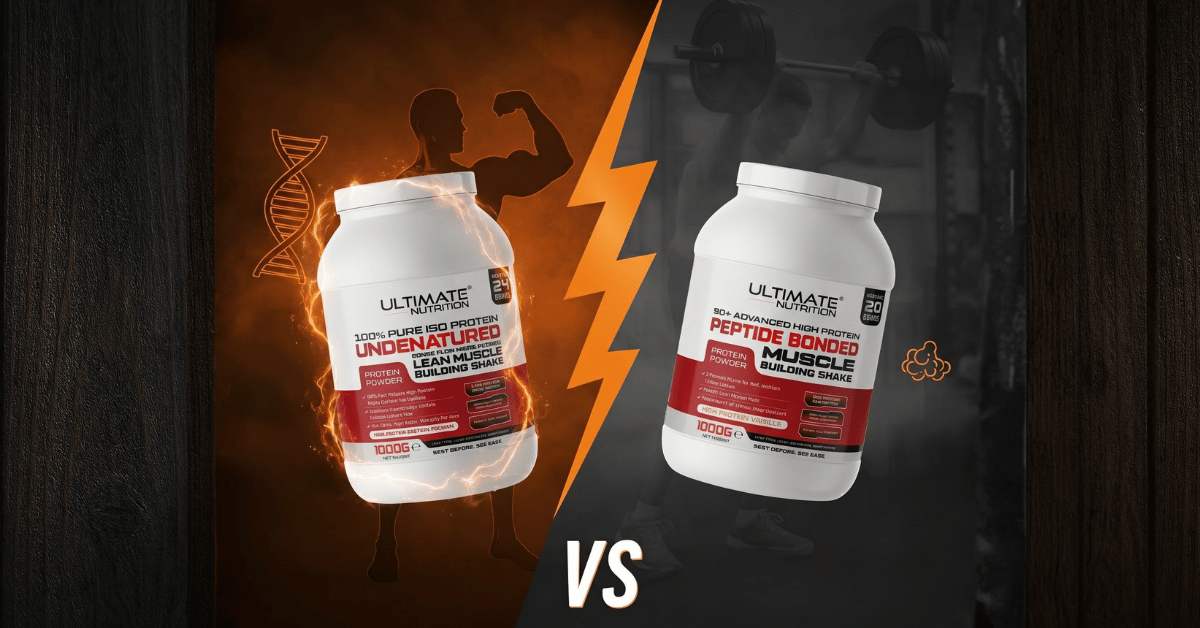
Both are high-quality protein sources derived from milk. Whey concentrate is a rich, complete protein that works well for most people. Whey isolate goes a step further — it is purer, higher in protein per gram, and virtually free of lactose and fat. If you are lactose-sensitive, on a calorie-controlled plan, or simply want the most concentrated protein source available, isolate is worth consideration.
For a broader overview of how different protein powders compare, see the Complete Guide to Protein Powder.
Where Whey Comes From
Both whey concentrate and whey isolate start in the same place: the liquid by-product of cheese production. This liquid whey is filtered and processed to remove most of the carbohydrates (lactose) and fats, leaving a protein-rich powder.
The difference lies in how far that filtration goes.
Let's Compare Our Proteins
Whey Protein Concentrate
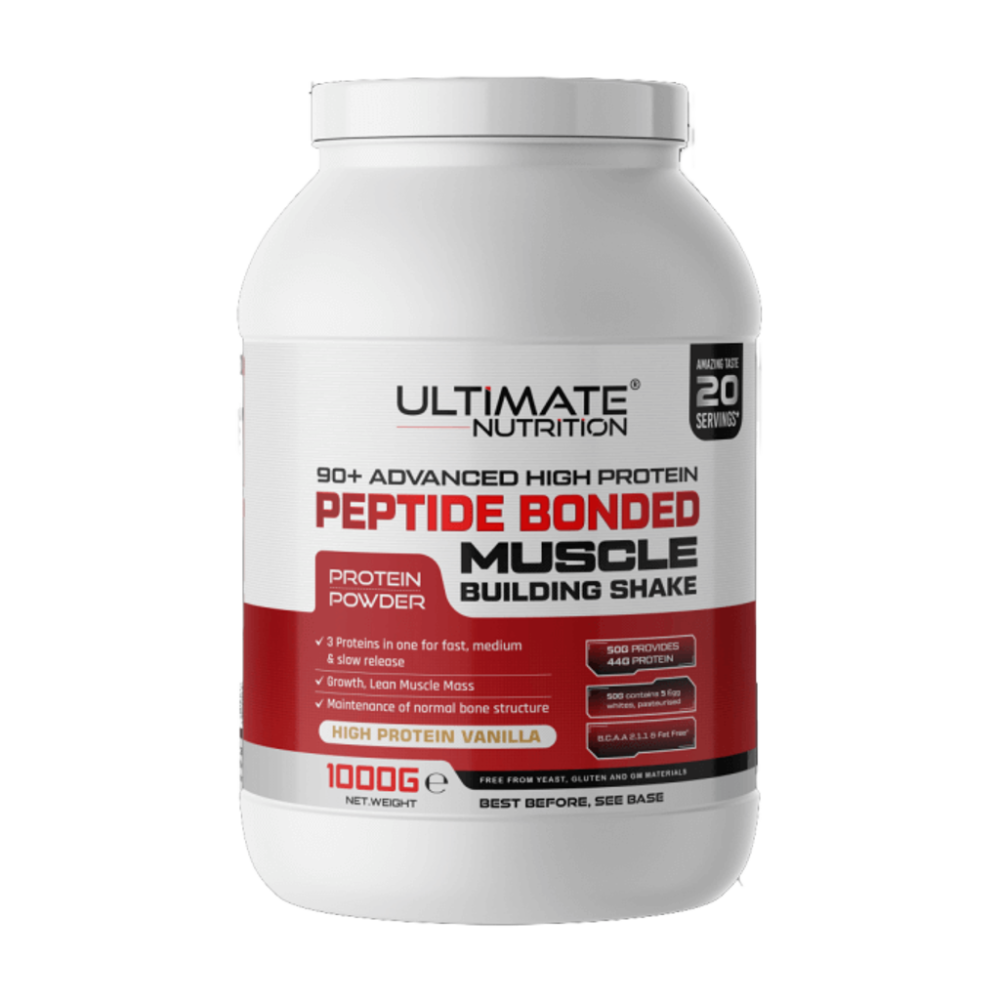
Whey concentrate typically contains 70–80% protein by weight, with the remaining 20–30% made up of small amounts of fat and lactose. It has a slightly richer, creamier flavour because of these remaining components — and for most people, it digests perfectly well.
It is an excellent, complete protein source containing all essential amino acids, including a particularly high concentration of leucine — the amino acid most directly responsible for triggering muscle protein synthesis.
Whey Isolate
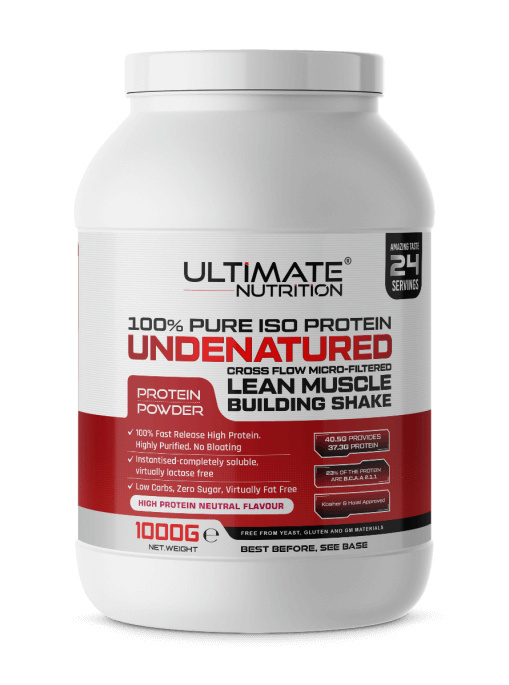
Whey isolate undergoes additional processing — typically through cross-flow microfiltration or ion exchange — to remove almost all of the remaining fat and lactose. The result is a product that is typically 90%+ protein by weight, with very low fat and carbohydrate content.
The practical implications:
- Higher protein per serving — more of what you are paying for.
- Virtually lactose-free — suitable for most people who experience sensitivity with concentrate.
- Faster absorption — the reduced fat content means the protein reaches the bloodstream more quickly, which may be advantageous post-workout.
- Cleaner macronutrient profile — for those tracking calories or carbohydrates carefully.
Which Is Right for You?
Choose Whey Concentrate if:
- You have no lactose sensitivity and tolerate dairy well.
- You want a high-quality protein at a more accessible price point.
- You prefer a richer flavour profile.
- You are in a muscle-building phase and are not as strictly calorie-controlled.
Choose Whey Isolate if:
- You are lactose-sensitive or find concentrate causes digestive discomfort.
- You are in a cutting or calorie-controlled phase and want maximum protein per calorie.
- You want the cleanest, most concentrated protein source available.
- You are competing and want a product that supports precise macro tracking.
How Much Protein Can You Absorb in One Meal?
The "30g ceiling" claim — that the body can only absorb 30g of protein per meal — is one of the most persistent myths in nutrition. The science does not support it.
The body absorbs all ingested protein essentially. What varies is the rate of digestion and how efficiently a given dose stimulates muscle protein synthesis at any one time. Larger doses are digested more slowly; the protein is still absorbed, just over a longer window. The more practically important variable is total daily intake.
For the full breakdown: How Much Protein Can Your Body Absorb in One Meal
When Should You Take Protein Powder?
Post-Workout
The post-exercise window is characterised by elevated muscle protein synthesis sensitivity. Consuming protein within one to two hours of training is well-supported, though the window is longer than early research suggested — up to 24–48 hours of elevated sensitivity post-session.
Morning
After an overnight fast, providing protein in the morning supports muscle protein synthesis and sets a strong nutritional foundation for the day.
Between Meals
A protein shake between meals helps maintain consistent amino acid availability throughout the day — important for sustained muscle protein synthesis rather than large spikes followed by prolonged deficits.
Before Bed (Casein)
Casein protein before sleep provides a slow-release protein supply during the overnight fasting period, supporting overnight recovery and muscle maintenance.
For a detailed evidence review: Should You Take Protein Before or After a Workout?
A Note on Quality
Whatever you choose, the quality of the raw material matters. Whey protein is manufactured under rigorous quality controls — ensuring you get what the label states, at the dose it claims, without undisclosed fillers or inferior substitutes.
Ultimate Nutrition UK's protein range has been formulated since 1978. Arthur Fairhurst built this brand on one founding principle: the product must work, and it must be made from the best ingredients available. That has not changed.

Recent Posts