We use cookies to make your experience better. To comply with the new e-Privacy directive, we need to ask for your consent to set the cookies. Learn more.

June 03, 2026
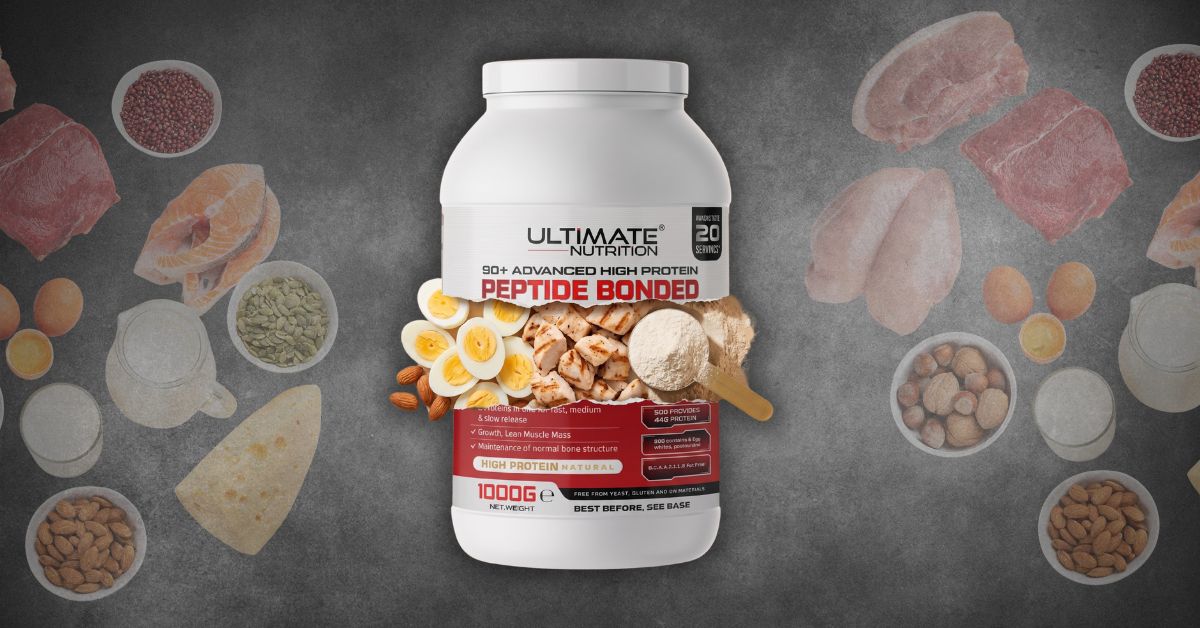
Natural Protein Powder: Why Ingredients Matter
What "Natural" Actually Means on a Protein Label
The word "natural" is used liberally in the supplement industry and inconsistently. Understanding what it should mean, and what to verify on a label, is the difference between buying a genuinely clean product and buying one that uses the word as a marketing ploy.
In the context of protein powder, natural means:
- Protein derived from a whole food source (milk, in the case of whey) through a physical filtration process, without chemical solvent extraction.
- Flavourings derived from natural sources rather than synthetic compounds.
- Sweeteners, if present, are sourced from natural origins (stevia, for example) rather than artificial alternatives such as sucralose or acesulfame potassium.
- No artificial colours, preservatives, or additives that are not required for product stability or function.
- A complete ingredient list that discloses everything in the product — no proprietary blends that obscure what you are actually consuming.
Ultimate Nutrition UK's protein range meets all of these criteria. It always has. This is not a recent positioning decision — it is a founding principle, established by Arthur Fairhurst in 1978, that every product must be made from the best available ingredients with no inferior substitutes.
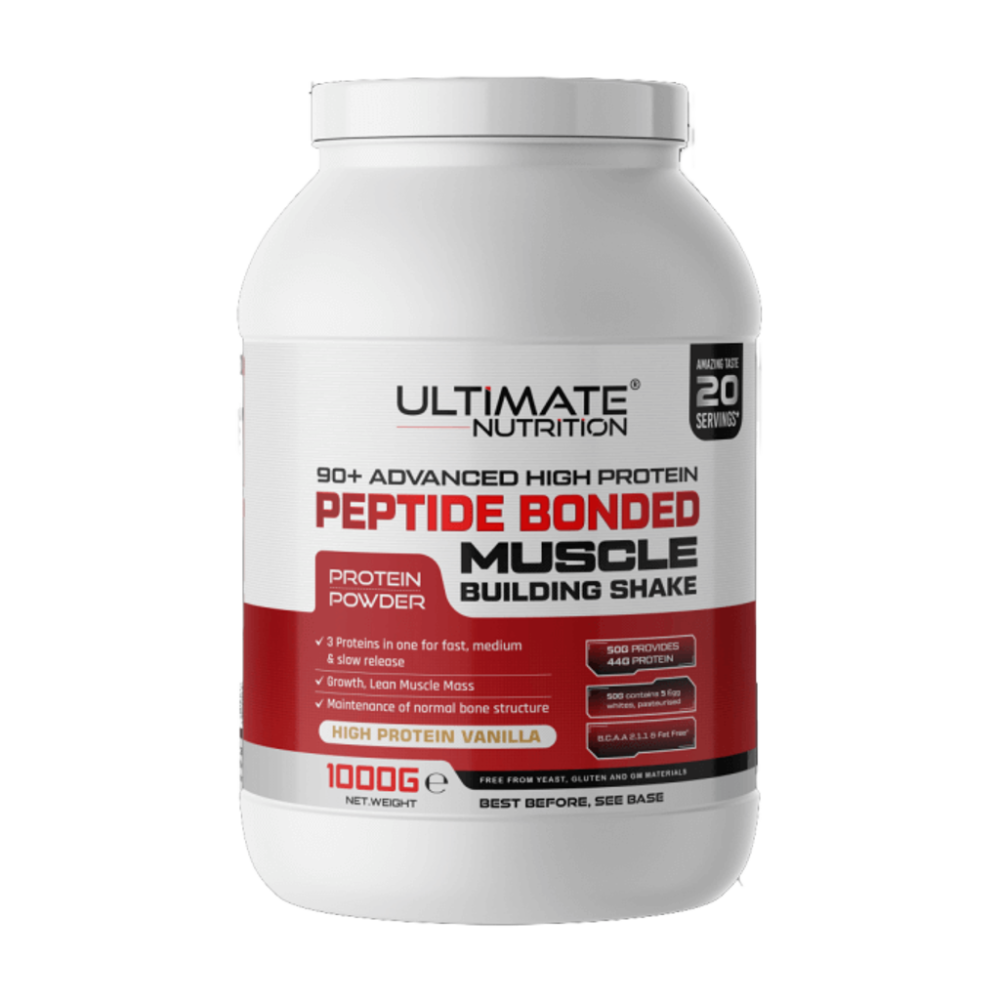
Why Ingredients Matter — The Quality Gap
The protein supplement market spans an enormous quality range. At one end: products with accurate labelling, clean ingredient lists, and consistent dosage. At the other: products where the protein content is lower than labelled, the amino acid profile has been artificially boosted with cheap compounds, and the ingredient list contains additives with no nutritional purpose.
Amino acid spiking
Protein content in supplements is typically measured using a nitrogen-based test. Total nitrogen in the product is used to calculate protein content. Some manufacturers exploit this by adding cheap amino acids — glycine, taurine, creatine — that are high in nitrogen but provide none of the muscle-building benefit of complete protein. The label shows a high protein figure; the actual complete protein content is lower.
Artificial additives
Many mainstream protein powders contain artificial sweeteners, colours, and preservatives that have no nutritional function and are included for flavour, shelf life, or cost reasons. For those committed to clean supplementation — or those with sensitivities to synthetic compounds — these are worth avoiding.
The alternative is not flavourless or difficult-to-mix powder. Natural flavourings, clean emulsifiers, and careful formulation produce a product that mixes well, tastes genuinely good, and contains nothing you would not choose to include.
Filler ingredients
Some lower-quality products include bulking agents — maltodextrin, guar gum, or other compounds — that add weight or volume to the serving without adding protein content. These inflate the apparent serving size and reduce the protein-per-calorie ratio without adding value.
How to Evaluate a Protein Powder's Ingredient List
|
What You Want to See |
What to Be Cautious Of |
|
Whey protein concentrate or isolate listed first |
Protein listed after carbohydrates or fillers |
|
Short ingredient list — few additions |
Long list of compounds you cannot identify |
|
"Flavouring" with no natural/artificial designation |
|
|
Sunflower or soy lecithin as emulsifier |
Multiple artificial additives and preservatives |
|
Proprietary blend hiding component doses |
The Ultimate Nutrition UK Standard
Every protein product in our range is completely natural, no artificial colours, no artificial sweeteners, no inferior substitutes, no undisclosed additions. This is not something we achieved recently. It has been the standard since Arthur Fairhurst built this brand around one principle: the product must work, made from the best ingredients available.
We are recommended by doctors, chiropractors, physiotherapists, and Harley Street clinics. Those recommendations exist because the products contain what they claim to contain, at the doses stated, produced to a standard that healthcare professionals trust.

Recent Posts