We use cookies to make your experience better. To comply with the new e-Privacy directive, we need to ask for your consent to set the cookies. Learn more.

April 08, 2026
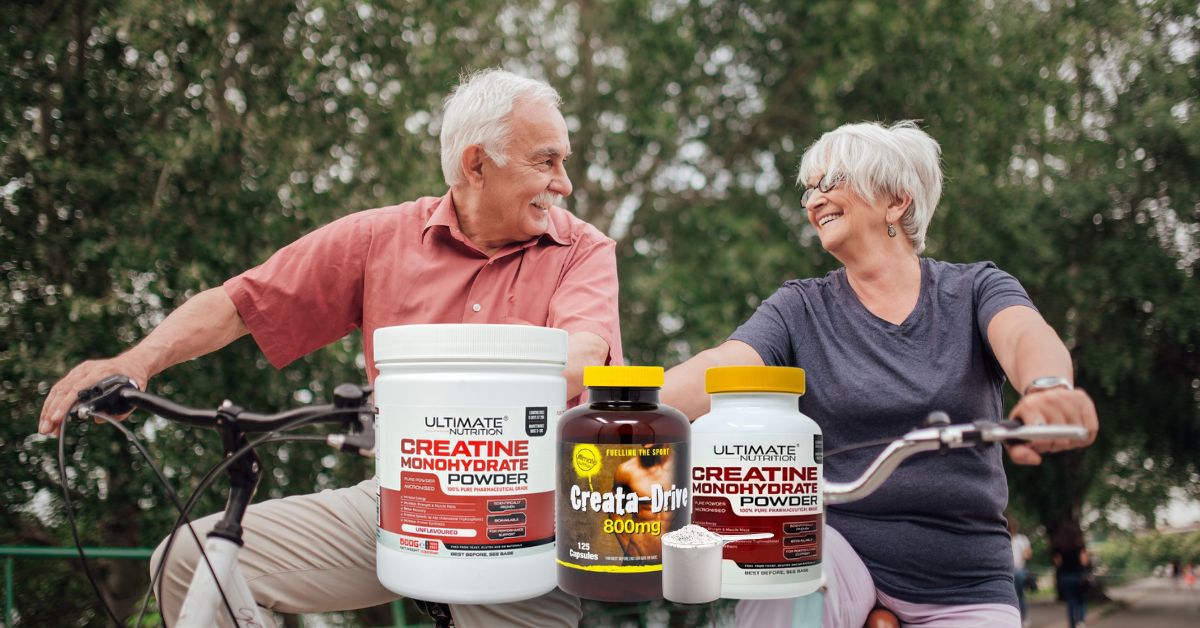
Creatine Monohydrate for Older Adults: Support Your Muscles, Strength & Memory
Creatine monohydrate is a naturally occurring compound stored in your muscles that fuels short bursts of energy. As we age, creatine levels in the body naturally decline, contributing to muscle loss and reduced strength. Research consistently shows that supplementing with creatine can support muscle size, strength, bone health, and even cognitive function. It is safe, well-tolerated, and beneficial for men and women of all ages, including those over 50.
What Is Creatine?
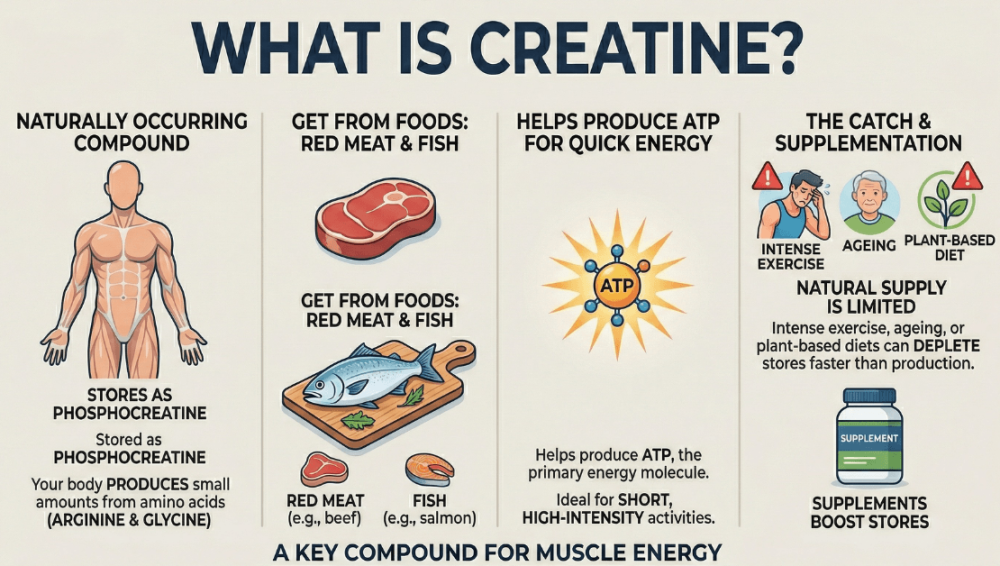
Creatine is a naturally occurring compound found primarily in your skeletal muscles, where it is stored as phosphocreatine. Your body produces small amounts of it from the amino acids arginine and glycine, and you also obtain it from foods like red meat and fish. It plays a central role in producing adenosine triphosphate (ATP), the molecule your cells use for energy, particularly during short, high-intensity efforts.
The catch is that your body's natural supply is limited, and it does not keep pace with what intense exercise, ageing, or a plant-based diet demands. That is where a creatine supplement comes in.
Creatine benefits: what does the research show?
Creatine monohydrate is one of the most extensively studied sports nutrition supplements in existence. Its benefits reach considerably further than supporting gym performance.
Muscle size and strength
Research consistently shows that creatine supplementation supports increased muscle mass and muscular strength, particularly when combined with resistance training. It does this by increasing the availability of phosphocreatine in muscle cells, which helps your body regenerate ATP more rapidly between bursts of effort.
Bone health
There is growing evidence that creatine may support bone mineral density, which is particularly relevant for older adults and post-menopausal women. Bone and muscle are closely linked systems. When muscles are better supported, the mechanical load they place on bone encourages stronger bone remodelling.
Cognitive function and memory
Your brain is a high-energy organ that also relies on phosphocreatine as an energy reserve. Studies suggest that creatine supplementation may support memory, mental clarity, and cognitive processing, particularly in older adults. A 2025 review published in PMC examined creatine specifically in the context of ageing, noting its potential to support neurological health as natural levels decline.
Supporting daily function as we age
Beyond the gym, creatine is associated with better functional performance in everyday life. Getting up from a chair, carrying shopping, managing stairs, and maintaining balance. These are the activities that quietly determine quality of life as we get older, and creatine has a role to play in keeping them manageable.
As Candow et al. summarised in their 2025 review published in the Journal of the International Society of Sports Nutrition:
“CrM has multiple benefits in older adults and may have application for treating age-related sarcopenia, osteoporosis, frailty, and those with metabolic and neuromuscular disorders.”
Creatine recommended dose: how much should you take?
Understanding the correct creatine dose is important. The standard approach involves two phases:
|
PHASE |
DAILY AMOUNT |
DURATION |
PURPOSE |
|
Loading |
20g per day (4 x 5g servings) |
5-7 days |
Rapidly saturates muscle creatine stores to their optimum level |
|
Maintenance |
3-5g per day |
Ongoing |
Maintains elevated creatine stores |
The loading phase is not strictly required. You can achieve the same saturation by taking a lower creatine daily dose of 3-5g consistently over 3-4 weeks. The loading approach simply gets you there faster.
|
TIMING: DOES IT MATTER? Creatine does not need to be taken at a precise time to be effective. Consistency matters far more than timing. Taking it with a meal containing carbohydrates may support its uptake into muscle cells. |
Why is it necessary to take the creatine loading dose?
Everyone has creatine in their body at various levels. The amount you store depends on your diet, age, body composition and activity. The loading dose is not about adding something foreign to your system. It simply ensures that the level of creatine in your muscles reaches its optimum point as efficiently as possible.
Once that optimum level is established, continuing with the daily maintenance dose of 3-5g supports and sustains it. Think of it as filling a tank to the top first, then keeping it topped up. Without the loading phase, you will still reach the same level; it just takes three to four weeks rather than five to seven days.
Do I need to exercise with weights to take creatine?
No. Creatine is a beneficial supplement for all, regardless of how you move or what exercise you do. While research shows the greatest muscle and strength gains come from combining creatine with resistance training, the benefits of creatine extend well beyond the gym.
For older adults in particular, creatine supports the energy systems your body uses during any form of physical activity, whether that is walking, swimming, cycling, or simply going about your daily life. Supporting those energy systems supports everything you do, with or without weights
Creatine over 50: why it matters more as we age
From around the age of 30, muscle mass begins to decline gradually, a process known as sarcopenia. After 50, this decline accelerates. It is associated with reduced strength, slower recovery, increased fall risk, and a general reduction in independence.
Research shows that muscle creatine levels also decline with age. This is not a coincidence. Lower creatine means less energy available for muscle contraction, which compounds the muscle loss that already accompanies ageing.
For older adults who are not regularly lifting heavy weights, creatine still provides meaningful benefits. Walking, swimming, gardening, and everyday movement all draw on the same energy systems.
The same 2025 review in the Journal of the International Society of Sports Nutrition noted that interventions improving muscle performance and functional ability are “critical for promoting healthy ageing and improving the quality of life for older adults worldwide.” Specifically regarding the cognitive link, the same authors observed that older adults consuming less than 0.95 grams of dietary creatine per day showed poorer cognitive function compared to those consuming more. Given that 70% of adults over 65 fall below this intake threshold, supplementation has clear and practical relevance.
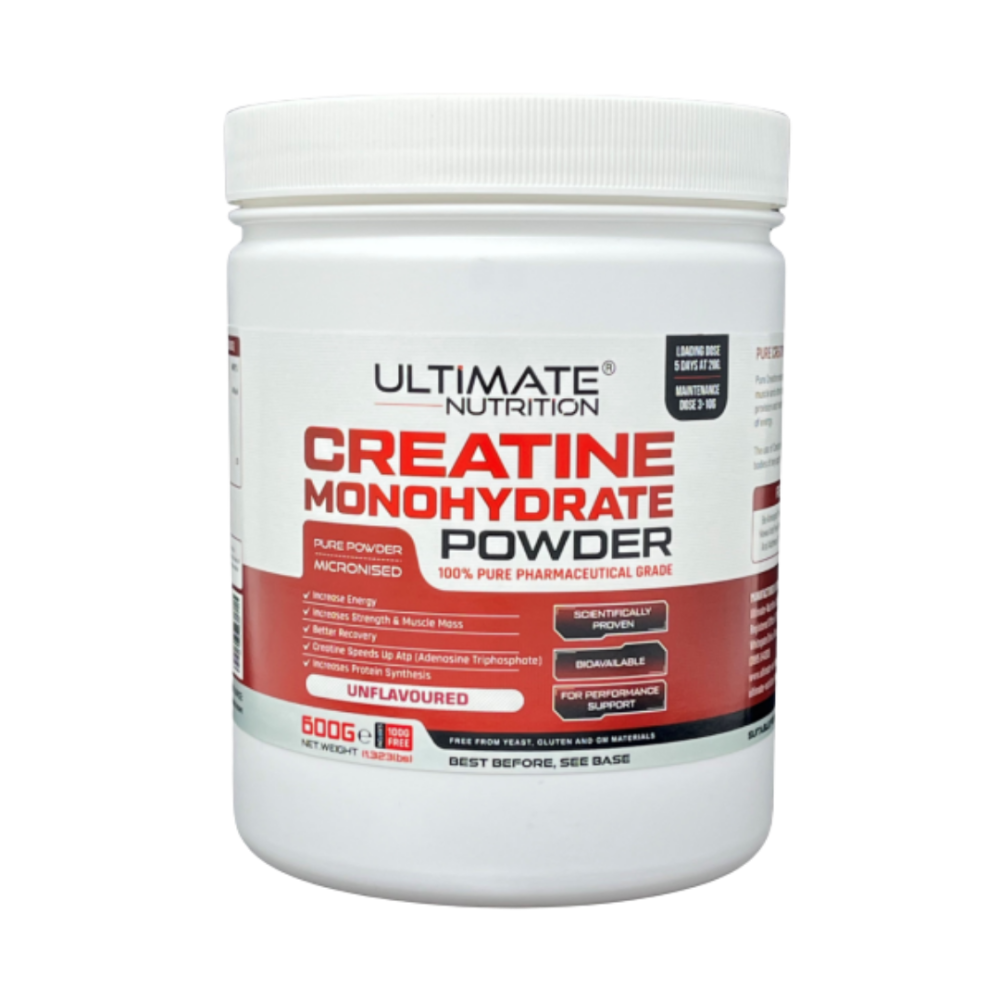
Ready to start? Our creatine range at Ultimate Nutrition
We have been making pharmaceutical-grade nutritional supplements since 1978 at Ultimate Nutrition UK. Every product we make is formulated to the correct dosage using the highest-grade raw materials available. No additives. No fillers. No compromises. We take them ourselves, and that has always been the standard.
If you have read this far, you already know that creatine is one of the most well-evidenced, practical supplements available, particularly as we get older. The question is simply which format suits you best.
|
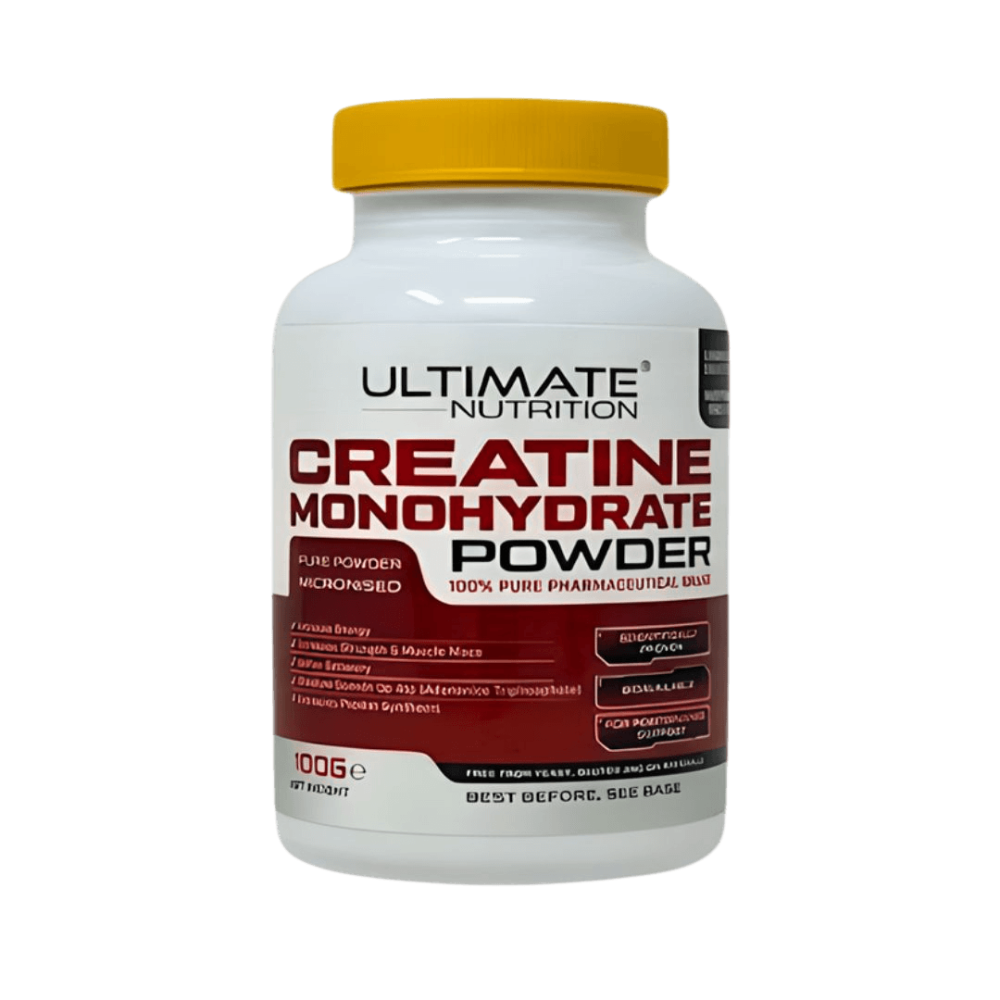
Pure Creatine Powder |
Pure Creatine Powder (Extra Free) |
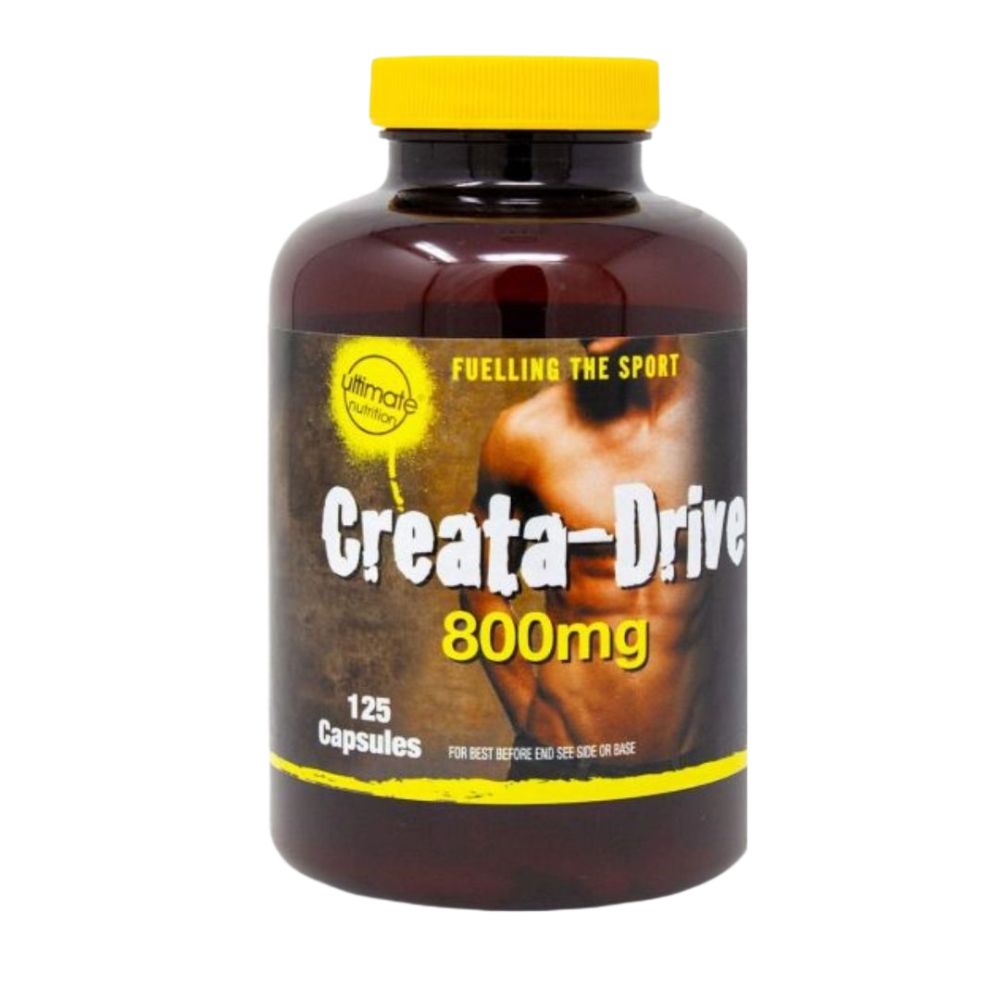
Creata-Drive Capsules |
|
Pharmaceutical-grade micronised creatine monohydrate powder. Available in 300g, 600g and 1000g, with free extra powder in every pack. |
The same pharmaceutical-grade powder in a larger value pack. The 300g includes 50g free, the 600g includes 100g free, and the 1000g includes 250g free. |
800mg pharmaceutical-grade micronised creatine per capsule. A measured, convenient dose, ideal for those who prefer capsules over powder. |
|
Best for: Mixing with shakes or water. Flexible daily dosing. |
Best for: Great value for regular users. |
Best for: Simplicity and precision. No measuring needed. |

Recent Posts