We use cookies to make your experience better. To comply with the new e-Privacy directive, we need to ask for your consent to set the cookies. Learn more.

July 01, 2026

Post-Workout Recovery: The 30-Minute Window Explained
Training breaks the body down. Recovery builds it back up. And what happens in the 30 to 60 minutes after a training session has a disproportionate influence on how well that rebuilding process goes. This is not gym mythology it is well-supported by the science of muscle physiology.
What Happens to the Body After Training?
During resistance training, muscle fibres are subjected to mechanical stress that creates micro-tears in the tissue. Simultaneously, muscle glycogen (stored carbohydrate) is depleted, and the phosphocreatine system the rapid energy fuel for intense effort is significantly drawn down. Cortisol and other stress hormones are elevated. The immune system is mildly activated.
Post workout recovery is the process through which the body repairs this damage, replenishes its fuel stores, and adapts becoming stronger and better conditioned than before. Whether that process happens efficiently depends significantly on what you do immediately after training.
The 30-Minute Window: Is It Real?
The concept of the "anabolic window" a narrow period after training during which nutrients are particularly well-utilised has been somewhat overstated in popular fitness culture. Research has nuanced the picture: the window is real, but it is wider than 30 minutes, and its importance depends on whether you trained fasted, how large your pre-workout meal was, and the overall context of your nutrition.
That said, initiating post workout recovery nutrition within an hour of training is consistently supported by research as beneficial. The muscle is in a heightened state of sensitivity to nutrients particularly protein and supplying the right inputs at this time supports faster and more complete recovery.
What Post-Workout Recovery Nutrition Should Include
Protein
Muscle protein synthesis the process of repairing and building muscle tissue is maximally stimulated by training and requires a supply of amino acids to proceed. Consuming 20 to 40 grams of high-quality protein post-workout, ideally within 60 to 90 minutes, supports this process. Whey protein is rapidly absorbed and a practical choice, but any complete protein The Complete Guide to Creatine Monohydrate source is effective.
Carbohydrates
Muscle glycogen is replenished through carbohydrate intake. After training, the muscles are particularly receptive to glycogen resynthesis. For athletes training twice daily or on consecutive days, post-workout carbohydrate intake is especially important. For those training once daily with a rest day between sessions, the priority is slightly lower but still relevant.
Creatine for Recovery
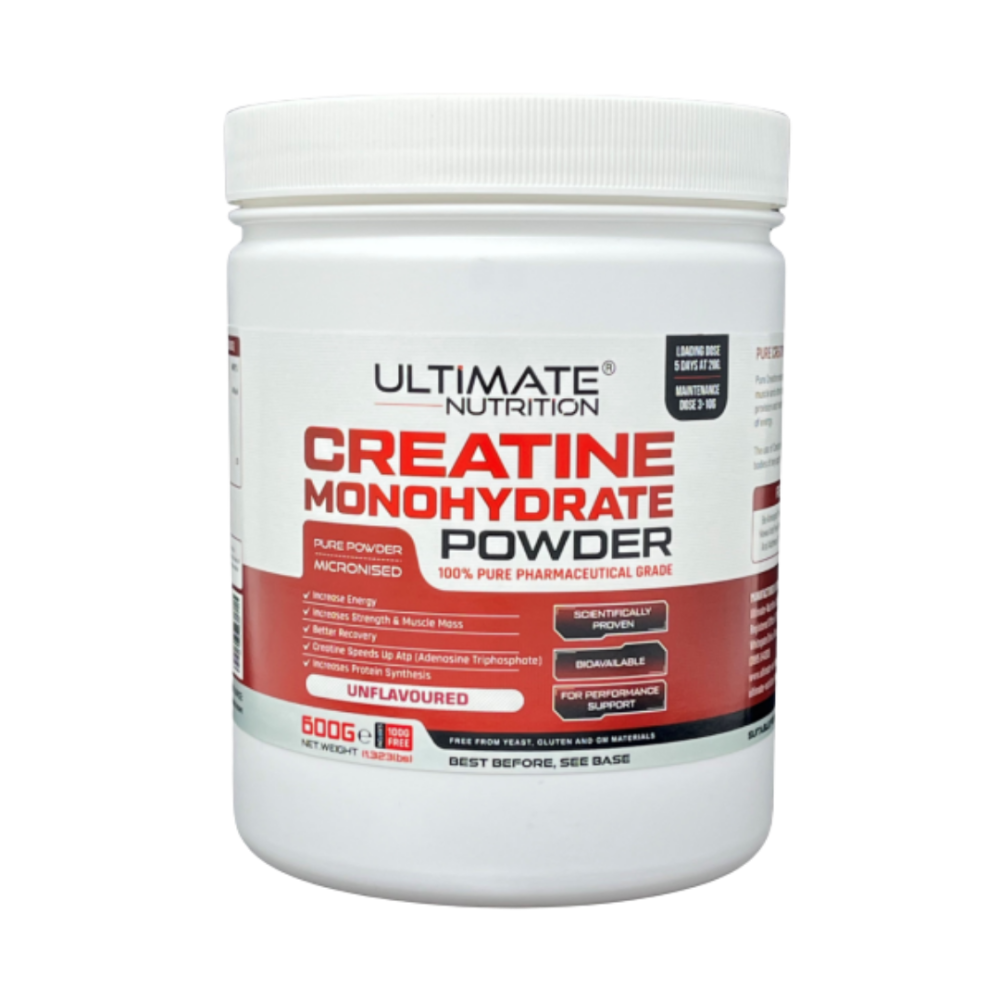
Creatine monohydrate supports post workout recovery in two ways. First, by restoring phosphocreatine stores more rapidly, it prepares the muscles for the next training session sooner. Second, some research suggests creatine may reduce markers of muscle damage and inflammation following intense training. Taking creatine as part of your post-workout recovery routine is a practical approach that covers both performance and recovery functions.
Recovery Supplements Worth Considering
Muscle recovery supplements range from the well-evidenced to the speculative. The ones with the strongest research backing include creatine monohydrate (as described above), protein (whey or plant-based), and branched-chain amino acids (BCAAs) though BCAAs offer less additional benefit if your total protein intake is already sufficient.
Omega-3 fatty acids have a growing body of evidence for reducing post-exercise inflammation and supporting recovery another practical addition to a recovery-focused supplement routine.
Sleep: The Most Underrated Recovery Tool
No supplement substitutes for sleep. The majority of muscle protein synthesis, growth hormone release and neural recovery happens during sleep. For anyone serious about training outcomes, prioritising seven to nine hours of quality sleep per night will do more for post workout recovery than any combination of supplements.

Recent Posts