We use cookies to make your experience better. To comply with the new e-Privacy directive, we need to ask for your consent to set the cookies. Learn more.

June 23, 2026
Is Creatine a Protein? (The Most Googled Question Answered)
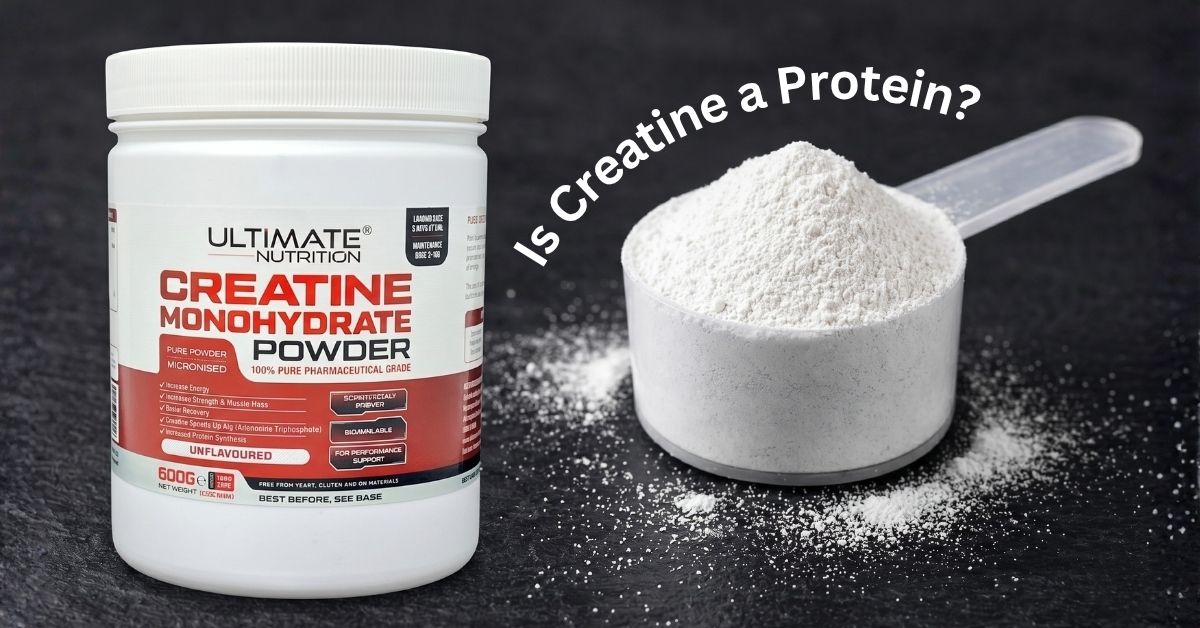
Is creatine a protein? It is one of the most searched questions in sports nutrition and the confusion is understandable. Both are taken by people who train, both come in powder form, and both are associated with muscle performance. So the assumption that creatine is a protein makes a kind of surface-level sense. But the answer is no and the distinction matters.
What Creatine Actually Is
Is creatine a protein? Technically, no. Creatine is a nitrogenous organic compound sometimes described as a non-protein nitrogen compound. It is made in the body from three amino acids (arginine, glycine and methionine) but once synthesised, creatine is not itself a protein or an amino acid. It is a distinct molecule with a specific and well-documented function in energy metabolism.
Proteins are large, complex molecules made of long chains of amino acids. They serve structural, enzymatic and hormonal roles throughout the body. Creatine is a much smaller molecule with a very specific job: supporting the rapid regeneration of ATP in muscle cells during intense exercise.
So What Is the Difference Between Creatine and Protein?
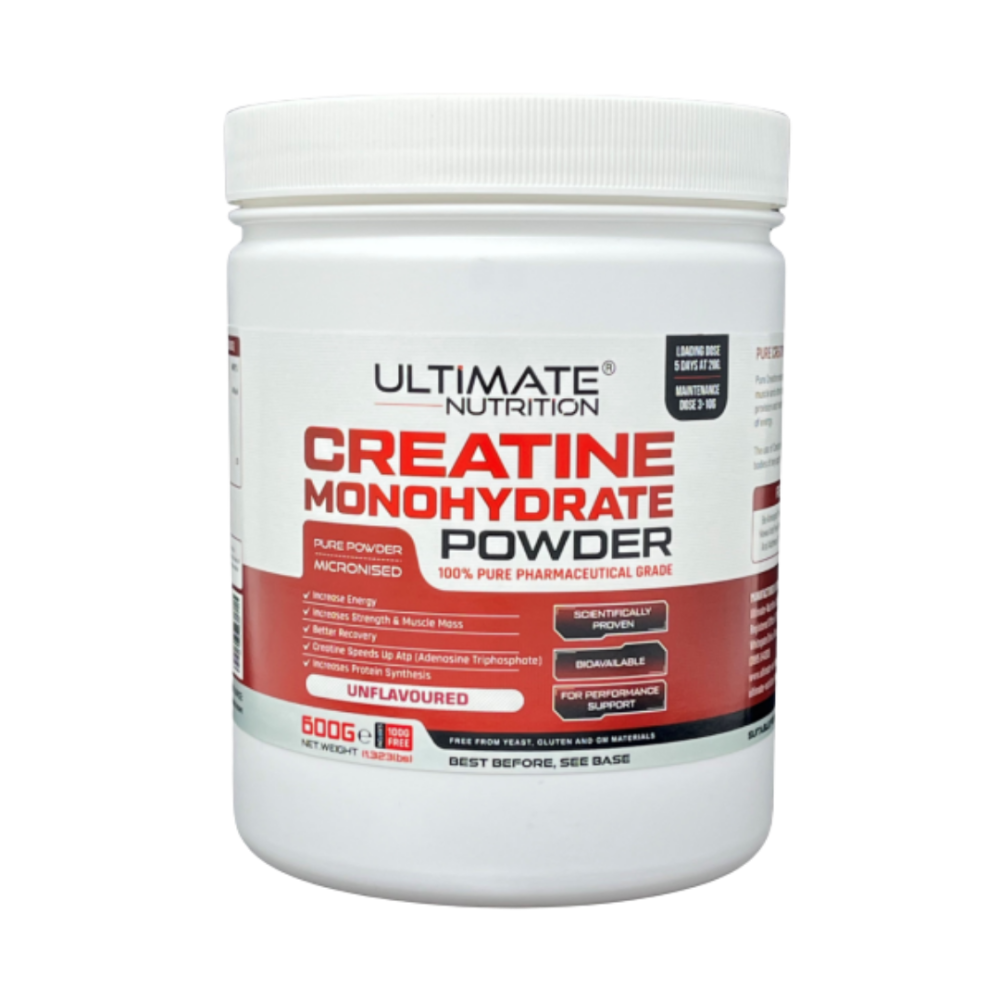
The functional difference is fundamental. Protein is a building material your muscles, organs, skin and enzymes are all made of it. When you take a protein supplement, you are providing amino acids that the body uses to repair and build tissue, particularly after exercise.
Creatine is not a building material. It does not directly contribute to muscle structure. What creatine does is support energy production during training allowing more reps, more power, and more total work. The muscle growth that results from creatine use is a consequence of that superior training stimulus, not a direct anabolic effect of the creatine itself.
Does Creatine Contain Protein?
Is creatine protein in any meaningful sense? No. A standard 5g dose of creatine monohydrate contains no protein and no significant caloric content. It does not contribute to your daily protein intake. If you are tracking macronutrients, creatine sits outside the conventional protein/carbohydrate/fat framework it is not a macronutrient at all.
Is Creatine Protein That Builds Muscle?
This is perhaps the most persistent version of the misconception. Is creatine a protein that builds muscle? No but creatine does support muscle development, indirectly. More specifically: creatine allows you to train harder, which creates a greater stimulus for muscle growth, which your body responds to if you are also eating sufficient protein. Remove the protein and the creatine cannot do its job. Remove the creatine and the protein cannot stimulate maximal growth from your training.
They are complementary tools, not the same tool.
Why Does It Matter?
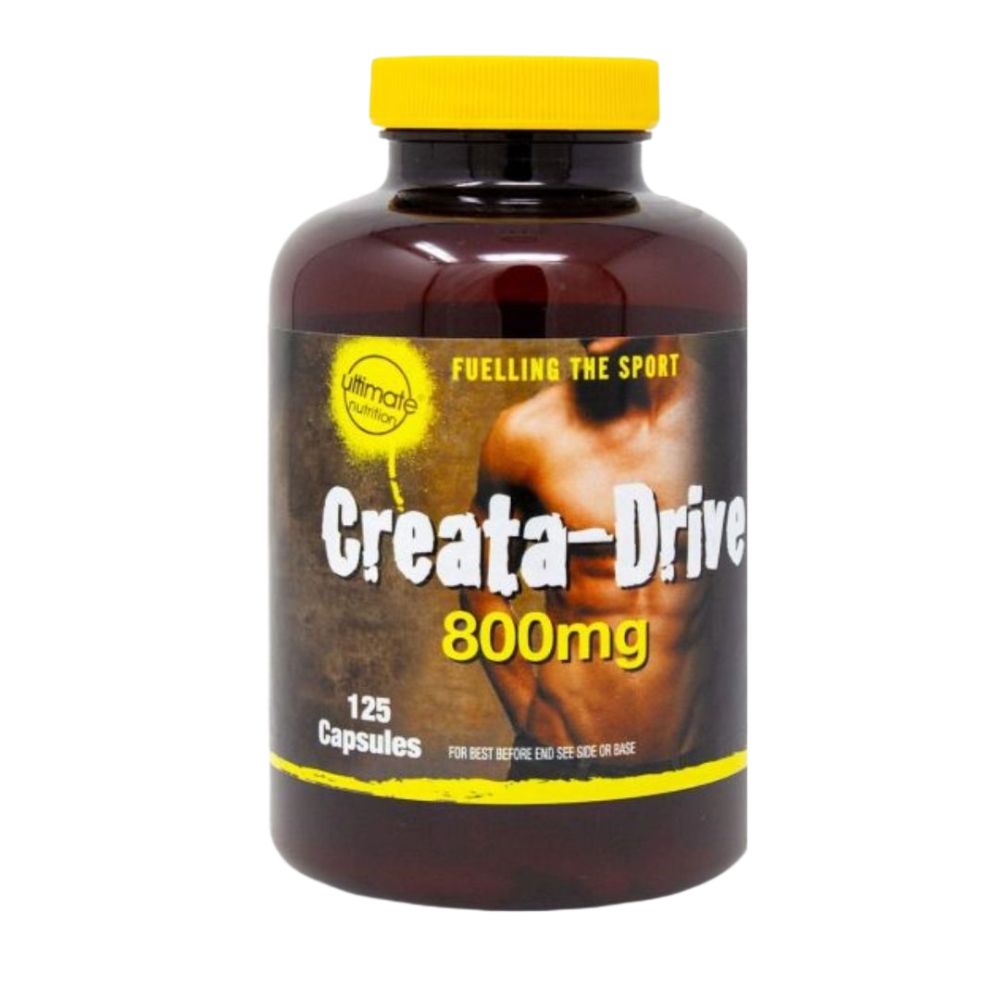
Understanding what creatine is and what it is not helps you make informed decisions about supplementation. If you are vegetarian or vegan and avoiding animal-derived proteins, you can still take creatine monohydrate (our pharmaceutical-grade formulation contains no animal products). If you are already meeting your protein targets from food, adding creatine is an independent decision based on its energy and performance benefits, not its contribution to protein intake.
And if you have been avoiding creatine because you assumed it was "just another protein powder" it is worth knowing it does something entirely different, and quite likely something your training would benefit from.

Recent Posts