We use cookies to make your experience better. To comply with the new e-Privacy directive, we need to ask for your consent to set the cookies. Learn more.

June 09, 2026
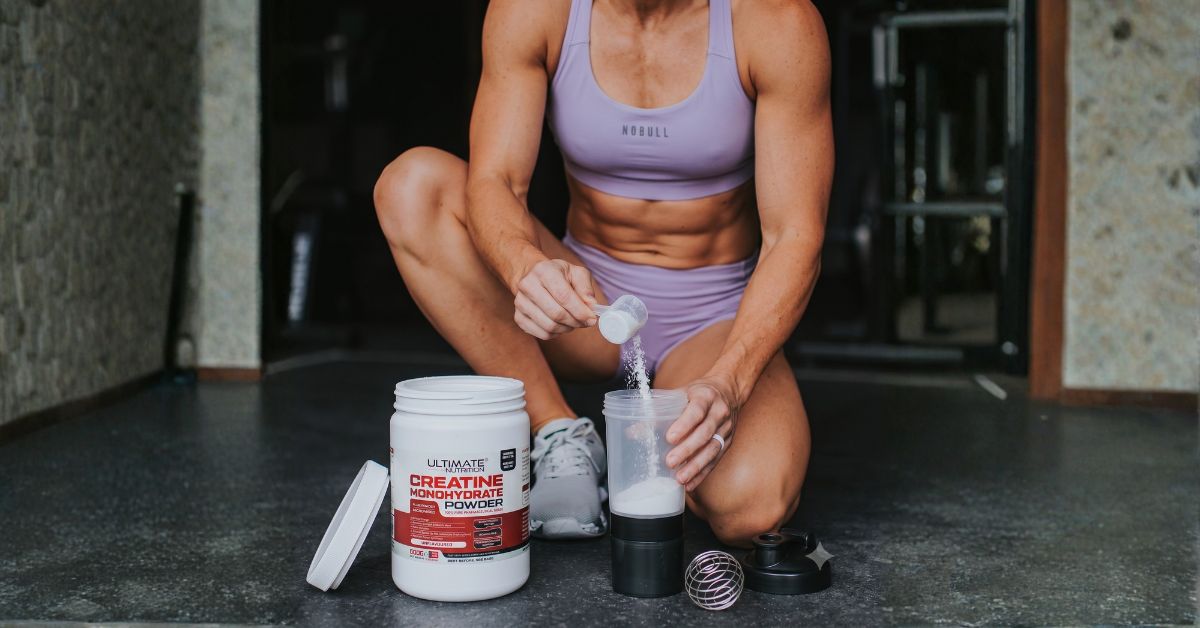
What Is Creatine and Should You Be Taking It?
If you have spent any time in a gym, you have heard of creatine. You may have used it, or been told you should. But separating the facts from the noise is harder than it should be. So let us start at the beginning. What is creatine monohydrate, what does it actually do, and crucially, should you be taking it?
What Is Creatine Monohydrate?
Creatine is a naturally occurring compound your body produces from three amino acids: arginine, glycine and methionine. It is made primarily in the liver and kidneys and stored in the muscles, where it plays a direct role in producing energy. You also get small amounts of creatine from eating meat and fish though never enough to saturate the muscles fully.
What is creatine monohydrate as a supplement? It is creatine bound to a water molecule, and it is the form of creatine that has been studied most extensively. When you take creatine monohydrate, you are increasing the total creatine stored in your muscles beyond what diet and natural production can provide. More creatine in the muscle means more phosphocreatine and phosphocreatine is the rapid fuel source your muscles call on during intense, short-duration effort.
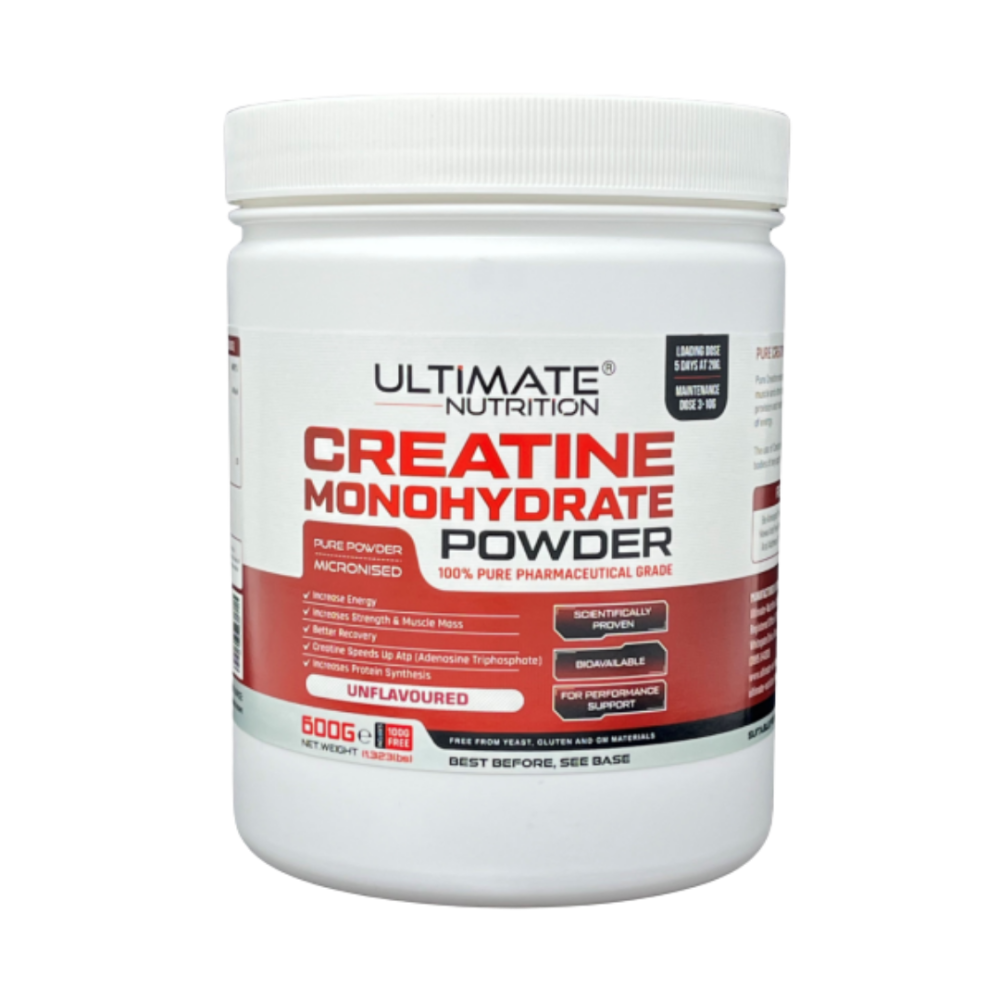
The Short Version of How It Works
This is how creatine works, and it starts with your muscles running on a molecule called ATP (adenosine triphosphate). During high-intensity exercise, your ATP stores are depleted within seconds. Phosphocreatine, derived from creatine, rapidly regenerates ATP, allowing you to sustain peak effort for longer. More creatine in the muscle means faster ATP regeneration, which translates to more strength, more power, and more reps before fatigue sets in.
This is not a stimulant effect or a hormonal one. It is a straightforward energy chemistry benefit and one that has been replicated in hundreds of peer-reviewed studies.
What Are the Benefits?
The creatine benefits that appear most consistently in the research include:
- Increased strength and power output, particularly in compound lifts and explosive movements
- Greater lean muscle development, more training volume leads to more adaptation
- Improved performance in repeated high-intensity efforts, such as sprinting, circuit training, and interval work
- Enhanced recovery between sets and sessions
- Cognitive benefits: Creatine supports brain energy in the same way it supports muscle energy
- Potential benefits for older adults include maintaining muscle mass and cognitive function
Is Creatine Safe?
Is creatine safe? Yes, and this is one of the most thoroughly established facts in sports nutrition. Over three decades of research involving thousands of subjects has not produced credible evidence of harm in healthy individuals. The kidney damage myth has been studied and consistently refuted. The only common side effect is a modest increase in body weight during the first week, which is water retention in the muscle, not fat gain.
Anyone with pre-existing kidney or liver conditions should speak to their GP before supplementing, as with any new addition to their routine. And if you're asking if Creatine is also a Protein? You should read more of our explanation in our Guide: Is Creatine a Protein? (The Most Googled Question Answered)
Is It Only for Bodybuilders?
Creatine for beginners is as valid a use case as creatine for elite athletes. The evidence supports benefits across a wide range of applications: recreational gym-goers looking to get more from their training, competitive athletes seeking a performance edge, older adults wanting to maintain strength and muscle function, and even people who simply want to support cognitive performance under pressure.
If you exercise with any regularity and are looking for Pre-Workout Supplements or Post-Workout Supplements, there is a reasonable case for taking creatine.
Who Makes It and Does Quality Matter?
Quality matters enormously. The supplement market is poorly regulated, and independent testing repeatedly finds products that are underdosed, contaminated, or misrepresented on the label.
Ultimate Nutrition has been manufacturing creatine monohydrate pharmaceutical grade in England since 1978 long before creatine became fashionable. Our standards have not changed because they never needed to. You get exactly what the label says, in the potency stated.

Recent Posts