We use cookies to make your experience better. To comply with the new e-Privacy directive, we need to ask for your consent to set the cookies. Learn more.

July 15, 2026

MSM for Joint Health: What the Research Shows
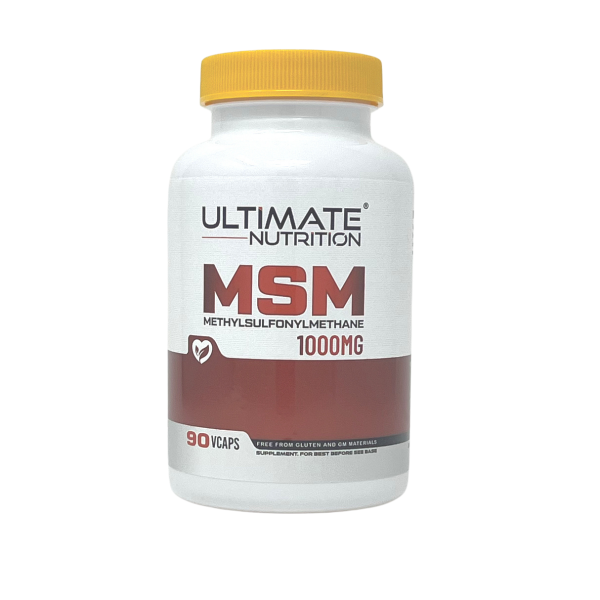
Methylsulfonylmethane MSM is a sulphur-containing compound found naturally in foods including garlic, onions, leafy vegetables and animal products. It is also available as a methylsulfonylmethane supplement, and has attracted growing research interest for its effects on joint pain, inflammation and overall joint function.
What Is MSM?
MSM is an organosulphur compound. Sulphur is an essential element in human biology it is a component of collagen, keratin, glucosamine and several key enzymes. The theory underpinning msm supplement benefits for joint health is that MSM provides a bioavailable source of sulphur that supports the formation and maintenance of connective tissue, and that it has anti-inflammatory properties independent of its role as a sulphur donor.
The Evidence for MSM Supplement Benefits
MSM supplement benefits have been examined in a number of clinical trials. Key findings include:
- A 2006 randomised controlled trial published in Osteoarthritis and Cartilage found that 3,000 mg of MSM per day significantly reduced pain and physical impairment in patients with knee osteoarthritis, compared to placebo.
- A 2011 study found that MSM reduced pro-inflammatory cytokine levels molecules that drive joint inflammation and pain.
- Several studies have found improvements in physical function scores and quality of life measures alongside reductions in pain.
The msm supplement benefits most consistently reported in research and clinical use are: reduced joint pain, particularly in weight-bearing joints; reduced joint stiffness; improved physical function and mobility; and reduced inflammatory markers.
MSM for Joint Pain: How It Works
The precise mechanisms behind MSM for joint pain are not yet fully elucidated. Current evidence points to several contributing factors: sulphur contribution to collagen and connective tissue formation; inhibition of NF-kB, a key regulator of the inflammatory response; antioxidant activity reducing oxidative damage to joint tissue; and direct analgesic effects through mechanisms not yet fully characterised.
The anti-inflammatory action appears to be real and measurable, even if the exact pathways are still being refined by researchers.
How Much MSM and for How Long?
The dose used in the most positive clinical trials is 1,500 to 3,000 mg of MSM per day. As with glucosamine, msm supplement benefits accumulate over time most users report improvement within four to six weeks of consistent use. Long-term use appears to be well-tolerated, with no significant adverse effects identified in clinical studies.
Where MSM Fits in a Joint Health Routine
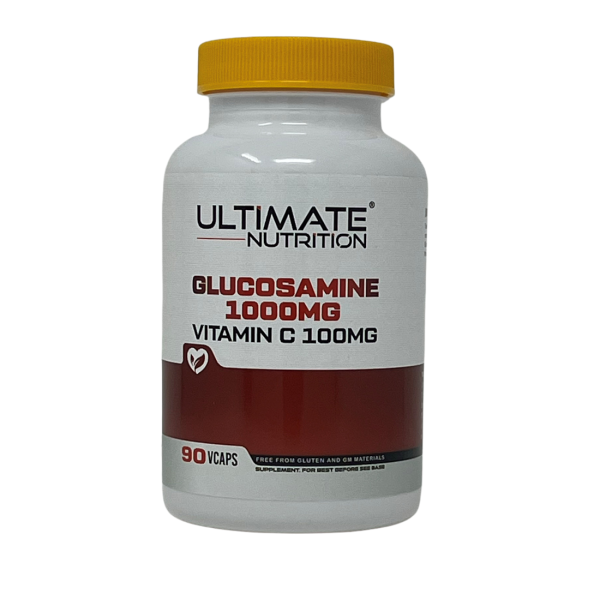
MSM is best understood as a complement to glucosamine rather than a replacement for it. The two act through partly different mechanisms glucosamine providing structural precursors for cartilage matrix, MSM providing anti-inflammatory and sulphur-supportive effects. Together with omega-3 fatty acids, they provide a comprehensive natural joint supplement uk approach. For an overview of the full evidence base for joint health supplementation, see: The Complete Guide to Glucosamine Supplements for Joint Health

Recent Posts