We use cookies to make your experience better. To comply with the new e-Privacy directive, we need to ask for your consent to set the cookies. Learn more.

May 28, 2026

How Many Protein Shakes a Day Is Too Many?
The Short Answer
For most active adults, one to two protein shakes per day is a sensible and effective approach. Three is reasonable in specific circumstances. Beyond that, shakes are likely displacing whole foods in a way that creates a nutritional imbalance rather than addressing any genuine gap.
There is no universally dangerous number. The concern is not protein shakes specifically — it is what they replace in the diet, and whether total daily protein and calorie intake remains appropriate for your goals.
Why the Question Gets Asked
Protein shakes occupy an unusual position in public perception. For some people they are a routine part of training nutrition, no different to any other food. For others, particularly those newer to supplementation, they carry a sense of being a powerful compound that could be overused or cause harm.
Neither framing is quite right. A protein shake is a concentrated food source. The same principles that govern sensible food intake govern sensible protein shake intake: is your total protein appropriate for your goals, are you getting adequate nutritional variety, and is your overall calorie intake aligned with what your body needs?
What "Too Many" Actually Means
Displacing nutritional variety
Whole food protein sources — chicken, eggs, fish, dairy, legumes — provide micronutrients, fibre, and other nutritional components that a protein shake does not. If shakes are replacing these foods rather than supplementing them, the diet narrows in a way that can create nutritional gaps over time. Two shakes a day alongside three meals built around whole foods is a very different proposition from five shakes and minimal whole food protein.
Exceeding your daily protein requirement
More protein than your body requires for muscle protein synthesis and repair does not produce additional muscle. It is used for energy (less efficiently than carbohydrate or fat) or excreted. For healthy adults with normal kidney function, high protein intake is well-tolerated — the idea that excess protein damages healthy kidneys is not supported by the research. But consuming protein well above your requirements adds unnecessary calories that may work against weight management goals.
Digestive discomfort
For some people — particularly those with lactose sensitivity, taking concentrate rather than isolate — multiple shakes daily can produce digestive discomfort. This is a practical limit that varies by individual rather than a universal safety threshold.
How Many Shakes Do You Actually Need?
The answer depends on your daily protein target and how much you are getting from food.
A 75kg active adult targeting 2g/kg needs 150g of protein per day. A day including eggs at breakfast (12g), chicken at lunch (35g), fish at dinner (30g), and dairy with meals (15g) delivers roughly 92g. Two protein shakes at 28g each add 56g — bringing the total to 148g, near the target. Two shakes are appropriate.
If that same person were eating a higher-protein diet — adding cottage cheese, Greek yogurt, additional meat portions — they might comfortably reach their target with one shake or none. The shake fills the gap that food leaves, not a predetermined quota.
Practical Guidelines
- One shake per day is sufficient for most people whose diet already contains moderate protein from whole food sources.
- Two shakes per day is appropriate for those with higher protein requirements, lower food protein intake, or who train twice daily.
- Three shakes per day may be justified for athletes with very high protein requirements (large body mass, high training volume, deliberate muscle-building phase) where food volume alone is limiting.
- Beyond three: assess whether total daily protein is genuinely requiring this, or whether whole food intake should be adjusted first.
Does the Quality of Each Shake Matter More Than the Number?
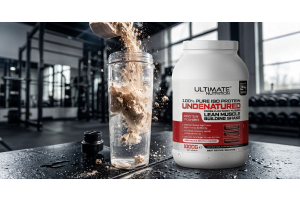
Yes — considerably. One protein shake with 28g of accurately labelled, high-quality whey protein delivers more reliable benefits than three shakes from a product with undisclosed fillers, amino acid spiking, or inaccurate protein content.
The number of shakes is a secondary question to the quality of what is in them. The standard Ultimate Nutrition UK has held since 1978 — means the label is accurate, the amino acid profile is intact, and what you are consuming is exactly what it claims to be. Every time.

Recent Posts