We use cookies to make your experience better. To comply with the new e-Privacy directive, we need to ask for your consent to set the cookies. Learn more.

May 01, 2026
The Best Protein Powder for Weight Loss — What Actually Works
Protein and Weight Loss — The Evidence
Of all the dietary variables associated with successful, sustained weight loss, protein intake is among the most well-supported. High-protein diets are associated with reduced appetite, improved body composition (more muscle retained during calorie restriction), and a higher thermic effect of feeding — meaning the body burns more calories simply processing protein compared to carbohydrate or fat.
Protein powder is simply a convenient, controlled way to increase protein intake without dramatically increasing calories. Used correctly, it supports weight loss goals — not by magic, but by supporting the biochemical mechanisms that make calorie reduction more sustainable.
What Makes a Protein Powder Suitable for Weight Loss?
High Protein, Lower Calories
A quality weight-loss protein powder should deliver the maximum protein per serving with minimal additional fat, carbohydrate, and calories. Whey isolate, with its 90%+ protein content and near-zero fat and lactose, is the benchmark. Diet Whey formulations take this further, sometimes incorporating additional ingredients to support satiety and metabolism.
Satiety
Protein is the most satiating macronutrient. A protein shake that genuinely keeps you full — rather than triggering hunger again within the hour — is more useful than one loaded with fillers. Look for formulas with high protein per serving and no unnecessary calorie additions.
Ingredient Quality
The weight management supplement market is one of the most crowded and most prone to exaggerated claims. Pharmaceutical-grade production with transparent labelling is the standard you should expect. What goes into the shake should be exactly what the label says.
How to Use Protein Powder for Weight Loss
As a Meal Supplement
Replacing a calorie-dense, nutrition-poor meal or snack with a high-protein shake reduces calorie intake while maintaining protein levels. This is particularly effective for breakfast or mid-afternoon when poor choices are most tempting.
Post-Workout
After exercise, the body's muscle protein synthesis is elevated. Providing protein at this point helps preserve lean muscle mass during a calorie deficit, which is important because lost muscle reduces metabolic rate over time.
As a Snack Replacement
A protein shake between meals can reduce appetite and prevent overeating at the next meal. The key is that it should be a genuine protein source — not a sweetened, calorific shake that defeats the purpose.
What to Avoid
- Mass gainers — these are specifically designed to add calories and are the opposite of what you need.
- High-sugar "protein" drinks — check labels carefully. Many popular products are more dessert than supplement.
- Products with vague ingredient lists or "proprietary blends" that obscure what you're actually consuming.
- Anything that makes claims that sound too good to be true. Protein supports weight loss; it does not cause it on its own.
Ultimate Nutrition's Recommendation
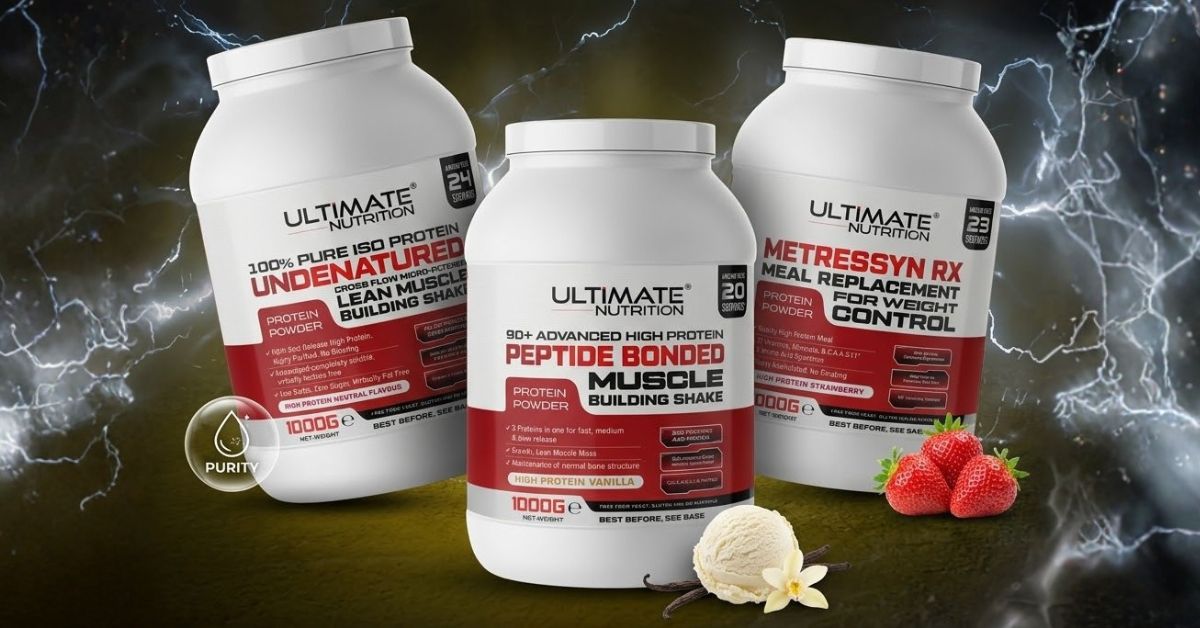
For weight loss, we recommend a whey isolate or diet whey formulation: high in protein, low in everything else. Our Diet Whey and protein isolate products are formulated to pharmaceutical grade with transparent ingredient lists — designed for people who are serious about what they are putting in their bodies.
Combined with a calorie deficit and consistent training, the right protein powder is not a shortcut — but it is a genuine, evidence-backed tool.

Recent Posts